

Spring has finally sprung, so dust off those waders, and let's get planning your next fishing trip! Whether you're searching for the best fishing spots or aiming to catch the biggest fish of your life, proper planning is key. As the old saying goes, "failing to prepare, you are preparing to fail". So let's run through our 8 top tips on how to plan the best fishing trip! 
1. Research Fishing Locations
First things first, you need to combine digital scouting and local networking to find ideal fishing locations. Before leaving home, stalk your potential fishing destinations online. Start your fishing research by using Google Earth and Google Maps to soar above coastlines and rivers, scan for jetties, break walls and river mouths. Dive deeper with the satellite views to spot any treasure-filled underwater features like sandbars, drop-offs, and weed beds.
Tap into local fishing knowledge, whether it be your new pal at the tackle shop or joining a niche Facebook group, the boots on the ground are the ones in the know. Staff at your tackle shop are often updated on the latest 'intel' and know which local fishing hotspots are performing, and which fish species are biting this week. Bonus tip: don't go in all guns blazing asking locals for their 'secret spots', respectfully ask about general patterns or what they have seen out and about lately.
The research doesn't stop once you are bankside; you need to get in the zone and focus on water observations too. Make sure you are using fishing weather tools that aggregate tide charts, wind direction, water temperature and any other factors that directly impact fish feeding and the probability of them nibbling at your line.

2. Consider The Conditions
So you have the location pinned, now let's get into the real elements that determine if you will be 'bagging up' or not, the weather and the water. These two dictate fish behaviour more than almost any factor, so it is best to have them on your side.
Fish are super sensitive to atmospheric pressure, as this changes their swim bladder. The barometric pressure dropping (usually before a storm) often triggers a feeding frenzy, the perfect time to be casting out. However, on the flip side, high pressure (post storm) can make fish lethargic and swim deeper for cover. To catch the fish at their predictable daily routine, the sweet spot is 72+ hours of stable pressure.
When selecting from your fishing tackle box, consider the water clarity. In murky waters, go bold and loud with colours like chartreuse or use lures that vibrate. In clear water, stick to thin lines and natural, stealthy colours, to increase your landing chances.
Keep the old adage in mind, 'Wind from the west, fish bite best', when debating what side of the bank to set up on. Predatory fish like Bass and Pike love to wait on wind-blown banks, ready to ambush prey. As the wind pushes surface water, plankton and baitfish towards the shore. Also in the UK, southerly or westerly winds are preferred for fishing due to the milder air, as the bitter easterly wind can send the fish deeper, seeking shelter.
3. Sort Out The Legal Bits
Don’t let your dream fishing trip end in a fine; make sure you’ve dotted the i’s and crossed the t’s when it comes to permits, regulations, and local fishing laws. Most riverbanks are privately owned; you will need to reach out to your local fishing clubs to have access granted. However, you can purchase the Waterway Wanderers permit, which will give you access to over 300 miles of canals and rivers.
Do keep in mind that if you are over 13, you will need a rod license alongside any other fishing permits. Also, please be mindful of catch limits; they vary depending on location and species. Always stay updated with local regulations to ensure you’re fishing responsibly. Planning ahead not only protects your trip but also helps preserve the waters for future generations of anglers. So, take the time to get your permits, follow the rules, and make the most of your adventure!
4. Plan Your Equipment & Pack Smart
Packing, the worst part of the fishing trip prep! Missing one essential piece of kit can ruin the entire day. Why not create a tick list system for the night before? Ensuring you never forget your rod, reel, extra line, tackle box, pliers and multitool, the backbones of your equipment.
If there is one thing we hate to be without, it is our fishing multitool! It replaces half a dozen standalone items, which means fewer items to forget on the kitchen bench. We love combining items, like tackle backpacks with key features like built-in rod holders and rain covers.
A new essential in our fishing gear has to be a fishing dry bag. These rolltop lifesavers come in various sizes and keep all your fishing licenses and electronics 100% dry, even in those unexpected torrential downpours. On the other side of the coin, make sure you pack sun cream for those glorious sunny days. 
5. Outline Your Fishing Strategy
Don't cast blindly and cross your fingers. Build out a solid fishing strategy based on your past experiences. Refer back to your fishing log book to track patterns and trends. While you are sitting bankside, look at your entries from the same time last year. What variables have changed? Was the water visibility lower? What was the water temperature? Was it overcast? All these little elements you log create a bigger story.
Define your target species, and don't try to catch everything at once. Tailor your location and narrow down your fishing gear to focus on one or two key species. This should improve your catch rate.
Another tip is to try the Plan A and Plan B method. Start with your most confident lure (plan A), and if you have no hits within 30 minutes, switch it up to a completely different fishing style. For example, move from a topwater lure to a bottom-bouncing jig if your initial plan isn't working. Having a game plan filled with solid strategy moves is the way to go.

6. Choose Your Company (Or Go Solo)
Your whole fishing trip's vibe changes when you add company to the bankside. Both solo and group trips can be tailored to fit your specific fishing goals.
A solo fishing trip is best for honing in on your skills and truly focusing on the task at hand. You can move at a whim and stealthily when alone. Plus, you do not need to worry about other shadows and any crossed lines!
It is a great advantage to have, especially when targeting easily spooked fish like trout at a small stream. Plus if you are not having any nibbles, you can amble down the bank without requiring a group consensus!
Whereas a group fishing trip is great for social bonding, especially if you are a beginner, you can learn 'in real time' with your company. If you are the fishing master taking a beginner under your wing, we recommend your trip involves a high-action spot, like a well-stocked pond, to keep them engaged throughout the day. When group fishing, we love to divide and conquer, solving the collaborative puzzle together. Everyone can try a different method, such as lures, depths or baits. Together (hopefully) finding the solution with the magic combinations.
7. Have Fun
As they say, it is called fishing, not catching, so make sure you manage your fishing expectations of each trip. After all, every day spent without a bite is still a day in the great outdoors. Remember to take regular fishing breaks, enjoy the scenery, enjoy a good lunch, you don't need to cast the full eight hours bankside.
Fishing is about the experience, whether that is alone or with friends and family, not just the count at the end of the day.
Celebrate the small wins throughout the day. Like successfully mastering a new knot, nailing a difficult cast under an overhanging tree, or it could be just watching the sun shimmer on the water.
Some days conditions will not align, but don't let a blank ruin your day. Treat it as a data-gathering mission for your fishing log book. If things are super slow, use this time to experiment with that weird lure at the bottom of your bait bag; you may never know your luck!

8. Track Your Fishing Trips
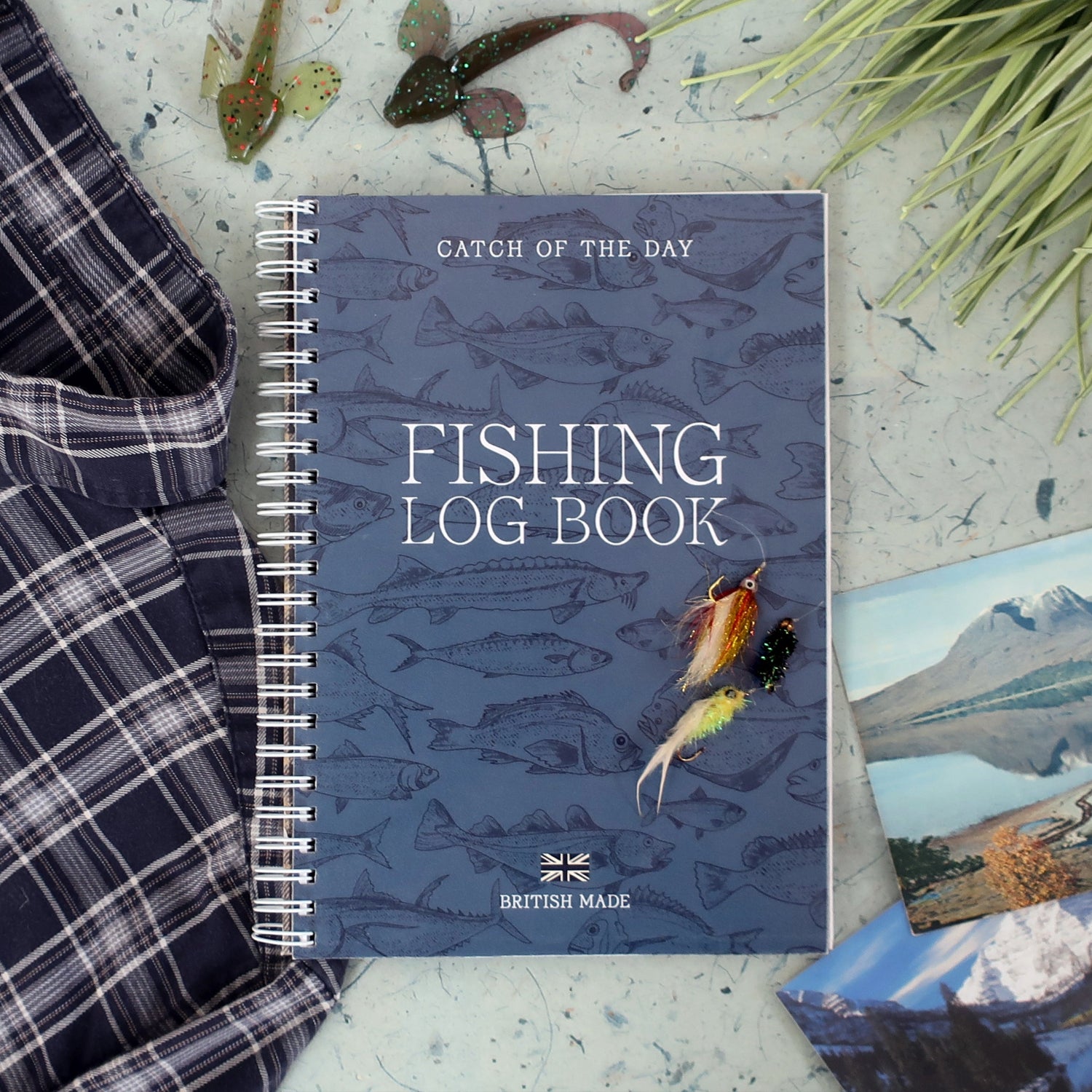
Now this is how you turn your hobby into a skill, tracking every little detail. Using our fishing log book to record elements from the moon phase to the baits and lures used, right through to the species and weight caught, you will soon have a personal tale of your fishing adventures.
Over time, your log book will become a personalised cheat sheet for your local body of water, pinpointing exactly what conditions to match for a successful day bankside.
Maintaining your fishing log book transforms random luck into a predictable strategy. Soon, you will be able to filter through your logged fishing trips to see which spots perform best on a north or south wind. Or even go as detailed as to see which specific fish species start hitting topwater baits based on the water temperature rather than the calendar date. Each fishing trip is a new fishing adventure, and your log book captures it all.
Final Thoughts
Now that you're equipped with these 8 essential fishing tips, it's time to start planning your next adventure! Whether you're scoping out the best fishing spots, packing the right gear, or selecting your ideal fishing companions, every step you take sets the stage for a memorable trip.
Turn your trip experiences into a winning formula by tracking your fishing trips with a fishing log book is the key to improving your skills and strategy over time.