
Off The Press
Off The Press - wayzgoose's Online Journal
Welcome to Off The Press, the official blog of wayzgoose, home of British-made planners. Our range is beautifully crafted in our Yorkshire workshop. Explore expert tips, inspiring guides, and exclusive behind-the-scenes stories that celebrate our dedication to thoughtful organisation and reflection.

What is Journaling?
What is Journaling? Over the past few years, journaling has experienced a huge surge in popularity. From social media influencers sharing their morning journal routines to productivity experts praising its benefits, more people than ever are turning to pen and paper as a way to improve their wellbeing, organisation, and mindset. Yet despite its growing popularity, many people are still unsure about what journaling actually is. Is it simply keeping a diary? Do you need to write every day? What should you write about, and what is the purpose behind it? If you've ever been curious about journaling but weren't quite sure where to begin, you're certainly not alone. The good news is that journaling doesn't need to be complicated. It's a flexible practice that can be tailored to your individual goals, whether you're looking to reduce stress, stay organised, boost creativity, or simply take a few moments for yourself each day. In this guide, we'll explore exactly what journaling is, why so many people choose to do it, the benefits it can bring, and some simple tips to help you start your own journaling journey with confidence. In a world filled with notifications, endless to-do lists, and constant distractions, journaling offers a simple way to slow down and reconnect with your thoughts. But what exactly is journaling? At its core, journaling is the practice of regularly writing down your thoughts, feelings, experiences, ideas, or goals. It can take many forms, from keeping a traditional diary and documenting daily events to writing gratitude lists, planning future goals, or simply putting your thoughts onto paper. There are no strict rules when it comes to journaling. Some people write pages every day, while others jot down a few sentences whenever inspiration strikes. The beauty of journaling lies in its flexibility—it can be whatever you need it to be and work however you need it to be making it accessible to all. Whether you're looking to organise your thoughts, manage stress, boost creativity, or simply create a moment of calm in your day, journaling is a powerful habit that can have a positive impact on your wellbeing. Why Do People Journal? People journal for many different reasons, and no two journaling practices look exactly the same. For some, it's a way to slow down and make sense of their thoughts after a busy day. For others, it's a practical tool used to organise ideas, set goals, and track progress. Many people also use journaling as a form of self-reflection, helping them better understand their emotions, habits, and experiences. One of the reasons journaling has become so popular is its flexibility. There are no strict rules about what you should write or how often you should do it. Whether you're jotting down daily thoughts, recording important milestones, brainstorming ideas, or planning for the future, journaling can be adapted to suit your personal needs and lifestyle. Some of the most common reasons people are choosing journaling include: Mental Clarity – Writing thoughts down on paper can help clear mental clutter and load, organise ideas, and create a greater sense of focus when life feels overwhelming. Emotional Processing – Journaling provides a safe and private space to explore feelings, work through challenges, and better understand emotional reactions and experiences. Goal Tracking – Many people use journals to set goals, track habits, monitor progress, and stay accountable to the changes they want to make in their lives. Creativity – A journal can act as a creative outlet for capturing ideas, brainstorming projects, solving problems, and exploring new perspectives without judgement. Memory Keeping – Journaling allows you to document important moments, achievements, and everyday experiences, creating a personal record that you can look back on for years to come. Ultimately, people journal because it helps them connect with themselves. Whether your aim is personal growth, organisation, creativity, or simply taking a few mindful moments each day, journaling offers a valuable opportunity to pause, reflect, and put your thoughts into words. The benefits of Journaling Journaling is more than just writing down your thoughts. When practised consistently, it can provide a range of mental, emotional, and practical benefits which include: Reducing stress and anxiety One of the most common reasons people start journaling is to manage stress. Writing down your worries, frustrations, or concerns can help clear your mind and reduce the feeling of being overwhelmed. When thoughts remain trapped in your head, they can often feel larger and more difficult to manage. Putting them onto paper creates distance and perspective, making it easier to process emotions and identify solutions. Even a few minutes of journaling each day can provide a sense of relief and help you feel more grounded. Improve focus and productivity Journaling can also be an effective tool for improving focus and organisation. By writing down tasks, priorities, and goals, you create clarity around what needs your attention. Many people use journals to plan their days, track habits, and break larger goals into manageable steps. This helps reduce mental clutter and allows you to focus on what matters most. A journal can act as both a personal organiser and a record of progress, helping you stay motivated and productive over time. Boost creativity Whether you're a writer, designer, entrepreneur, or simply someone who enjoys creative thinking, journaling can help unlock new ideas. The act of writing freely encourages exploration without judgement. It gives your mind permission to wander, make connections, and discover fresh perspectives. Many creative breakthroughs happen when ideas are written down rather than simply thought about. A journal provides a safe space to experiment, brainstorm, and capture inspiration whenever it appears. Support personal growth Journaling is a valuable tool for self-development. By regularly reflecting on your experiences, successes, and challenges, you can gain a deeper understanding of yourself. Sometimes personal growth can also be linked to hobbies and interests, our wayzgoose Workout Log Book does this beautifully where the user jots down weights achieved in a set and can reflect on each session to see how much strength they are building and their progress. Looking back through past entries often reveals patterns, habits, and progress that might otherwise go unnoticed. This increased self-awareness can help you make more intentional decisions and work towards meaningful goals. Over time, your journal becomes a record of your personal journey and a reminder of how far you've come. Strengthen mindfulness habits Mindfulness is the practice of paying attention to the present moment, and journaling naturally encourages this mindset. When you sit down to write, you take a break from distractions and focus on your thoughts and feelings. This simple act of reflection can help you become more aware of your emotions, reduce mental noise, and appreciate the present. Many people combine journaling with gratitude practices, writing down things they are thankful for each day. This helps cultivate a more positive outlook and strengthens mindfulness habits over time. How To Start Journaling: Our Top Tips Starting a journaling habit doesn't need to be complicated. The key is finding an approach that works for you and making it part of your routine - here's our top tips on starting to journal. Choose a Journal The first step is choosing a journal you'll genuinely enjoy using. Whether you prefer a beautifully bound notebook, a minimalist planner, or a simple lined journal, selecting something that feels inviting can make all the difference. Your journal should be practical, comfortable to write in, and something you're happy to return to regularly. It also needs to offer you the correct space to document what it is you'd like to journal about. If you want to journal about gardening for example, choosing a planner like our Gardening Log Book may be a great place to start with its guided sections making it easy to begin. Choose your routine Consistency is often more important than quantity. Decide when journaling fits best into your day. Some people enjoy journaling first thing in the morning to set intentions and plan their day. Others prefer writing in the evening as a way to reflect and unwind. Experiment with different times and find a routine that feels natural and sustainable. Start small and consistent One of the biggest mistakes beginners make is trying to write too much too soon. Journaling doesn't need to take an hour every day. Start with just five minutes or a few sentences. The goal is to build a habit that feels achievable rather than overwhelming. Consistency will always have a greater impact than perfection. Don't overthink Perhaps the most important journaling tip is not to overthink it. Your journal doesn't need to be perfectly written, beautifully formatted, or grammatically correct. It is a personal space designed for you, not an audience. Write honestly, let your thoughts flow naturally, and remember that there is no right or wrong way to journal. Our Final Note Journaling is a simple yet powerful practice that helps you slow down, reflect, and stay connected to your thoughts and goals. Whether you're looking to reduce stress, boost creativity, improve productivity, or develop greater self-awareness, putting pen to paper can have a lasting positive impact. The best part is that anyone can start. With a journal, a few spare minutes, and a willingness to write, you can begin building a habit that supports both your wellbeing and personal growth. Start small, stay consistent, and discover the benefits that journaling can bring to your everyday life. Why not take a look at our wayzgoose log books, journals and planners to see if something suits your passions and help you to get started on journaling.
Learn more
World Migratory Bird Day 2026
Here at wayzgoose, we love connecting with nature, whether it’s logging our houseplants’ growth, recording our sky sightings, or designing planners using only sustainable, certified materials. That’s why we’re observing Bird Migration Day. This special awareness day is held on the second Saturday in May and the second Saturday in October, reflecting migration patterns across both the Northern and Southern Hemispheres. What Is World Migratory Bird Day? So, what makes this day so important? The theme for World Migratory Bird Day 2026 is 'Every Bird Counts – Your Observations Matter!', highlighting the power of community science in protecting migratory species. From coordinated worldwide surveys to simple garden bird watching, every log of information helps contribute to habitat protection for migrating bird species. As our world changes rapidly, birds face growing challenges, from declining nesting sites in older buildings to reduced insect populations. Every record plays a part in building the evidence needed for effective conservation. How Can I Take Part? Once you start noticing migration, it’s hard not to want to get involved. Migratory Bird Day is often celebrated with education programs and festivals at local bird reserves. Why not reach out to your local birding group to see if they have any bird watching events scheduled, like dawn chorus walks or perhaps walks with a local guide? All of these events raise awareness of the challenges migration birds face. Hopefully, these events will help drive more bird-friendly practices that will help take steps to protect birds, whether they are overwintering, nesting or just refuelling along their remarkable journeys. Bringing along a bird watching log book can make these moments even more meaningful, giving you a space to record what you see as it happens and truly connect. What Small Changes Can I Make To Help Birds? We need to try to make our spaces more bird-friendly, from rural cottage gardens to urban city centres. Every little conscious effort will make a difference to our feathered friends' lives. · Make Your Windows Visible Applying decals or bird-safe tape helps prevent collisions.· Protect Insects Avoid pesticides to support a healthy food source for birds.· Dim Your Lights At Night Reducing light pollution helps maintain natural migration cycles.· Plant Local Native plants provide familiar food and shelter. How Can I Connect Better To Nature? You do not have to wait until Migratory Bird Day to get connected with nature and support conservation. With our Bird Watching Log Book, you can go offline and truly zone into nature. Sometimes, the simplest way to reconnect is just to pause and observe, whether that’s watching the activity at your bird feeder or noticing seasonal changes in your local patch. Recording these moments in a bird watching journal allows you to build a personal timeline of migration and behaviour. Our Bird Watching Log Book was designed with this in mind. With over 200 pages of dedicated spreads, it gives you space to capture everything from quick window sightings to detailed birding notes and future wish-list trips. Over time, these small observations become something much bigger, a lasting record of your relationship with your feathered friends. Final Thoughts This World Migratory Bird Day, every small action matters. Whether you’re attending a local event, making simple changes at home, or quietly noting what you see in your bird watching log book, you’re contributing to a much bigger picture.Every bird counts, and so do your observations.
Learn more
8 Tips To Plan The Best Fishing Trip
Spring has finally sprung, so dust off those waders, and let's get planning your next fishing trip! Whether you're searching for the best fishing spots or aiming to catch the biggest fish of your life, proper planning is key. As the old saying goes, "failing to prepare, you are preparing to fail". So let's run through our 8 top tips on how to plan the best fishing trip! 1. Research Fishing Locations First things first, you need to combine digital scouting and local networking to find ideal fishing locations. Before leaving home, stalk your potential fishing destinations online. Start your fishing research by using Google Earth and Google Maps to soar above coastlines and rivers, scan for jetties, break walls and river mouths. Dive deeper with the satellite views to spot any treasure-filled underwater features like sandbars, drop-offs, and weed beds. Tap into local fishing knowledge, whether it be your new pal at the tackle shop or joining a niche Facebook group, the boots on the ground are the ones in the know. Staff at your tackle shop are often updated on the latest 'intel' and know which local fishing hotspots are performing, and which fish species are biting this week. Bonus tip: don't go in all guns blazing asking locals for their 'secret spots', respectfully ask about general patterns or what they have seen out and about lately. The research doesn't stop once you are bankside; you need to get in the zone and focus on water observations too. Make sure you are using fishing weather tools that aggregate tide charts, wind direction, water temperature and any other factors that directly impact fish feeding and the probability of them nibbling at your line. 2. Consider The Conditions So you have the location pinned, now let's get into the real elements that determine if you will be 'bagging up' or not, the weather and the water. These two dictate fish behaviour more than almost any factor, so it is best to have them on your side. Fish are super sensitive to atmospheric pressure, as this changes their swim bladder. The barometric pressure dropping (usually before a storm) often triggers a feeding frenzy, the perfect time to be casting out. However, on the flip side, high pressure (post storm) can make fish lethargic and swim deeper for cover. To catch the fish at their predictable daily routine, the sweet spot is 72+ hours of stable pressure. When selecting from your fishing tackle box, consider the water clarity. In murky waters, go bold and loud with colours like chartreuse or use lures that vibrate. In clear water, stick to thin lines and natural, stealthy colours, to increase your landing chances. Keep the old adage in mind, 'Wind from the west, fish bite best', when debating what side of the bank to set up on. Predatory fish like Bass and Pike love to wait on wind-blown banks, ready to ambush prey. As the wind pushes surface water, plankton and baitfish towards the shore. Also in the UK, southerly or westerly winds are preferred for fishing due to the milder air, as the bitter easterly wind can send the fish deeper, seeking shelter. 3. Sort Out The Legal Bits Don’t let your dream fishing trip end in a fine; make sure you’ve dotted the i’s and crossed the t’s when it comes to permits, regulations, and local fishing laws. Most riverbanks are privately owned; you will need to reach out to your local fishing clubs to have access granted. However, you can purchase the Waterway Wanderers permit, which will give you access to over 300 miles of canals and rivers. Do keep in mind that if you are over 13, you will need a rod license alongside any other fishing permits. Also, please be mindful of catch limits; they vary depending on location and species. Always stay updated with local regulations to ensure you’re fishing responsibly. Planning ahead not only protects your trip but also helps preserve the waters for future generations of anglers. So, take the time to get your permits, follow the rules, and make the most of your adventure! 4. Plan Your Equipment & Pack Smart Packing, the worst part of the fishing trip prep! Missing one essential piece of kit can ruin the entire day. Why not create a tick list system for the night before? Ensuring you never forget your rod, reel, extra line, tackle box, pliers and multitool, the backbones of your equipment. If there is one thing we hate to be without, it is our fishing multitool! It replaces half a dozen standalone items, which means fewer items to forget on the kitchen bench. We love combining items, like tackle backpacks with key features like built-in rod holders and rain covers. A new essential in our fishing gear has to be a fishing dry bag. These rolltop lifesavers come in various sizes and keep all your fishing licenses and electronics 100% dry, even in those unexpected torrential downpours. On the other side of the coin, make sure you pack sun cream for those glorious sunny days. 5. Outline Your Fishing Strategy Don't cast blindly and cross your fingers. Build out a solid fishing strategy based on your past experiences. Refer back to your fishing log book to track patterns and trends. While you are sitting bankside, look at your entries from the same time last year. What variables have changed? Was the water visibility lower? What was the water temperature? Was it overcast? All these little elements you log create a bigger story. Define your target species, and don't try to catch everything at once. Tailor your location and narrow down your fishing gear to focus on one or two key species. This should improve your catch rate. Another tip is to try the Plan A and Plan B method. Start with your most confident lure (plan A), and if you have no hits within 30 minutes, switch it up to a completely different fishing style. For example, move from a topwater lure to a bottom-bouncing jig if your initial plan isn't working. Having a game plan filled with solid strategy moves is the way to go. 6. Choose Your Company (Or Go Solo) Your whole fishing trip's vibe changes when you add company to the bankside. Both solo and group trips can be tailored to fit your specific fishing goals. A solo fishing trip is best for honing in on your skills and truly focusing on the task at hand. You can move at a whim and stealthily when alone. Plus, you do not need to worry about other shadows and any crossed lines! It is a great advantage to have, especially when targeting easily spooked fish like trout at a small stream. Plus if you are not having any nibbles, you can amble down the bank without requiring a group consensus! Whereas a group fishing trip is great for social bonding, especially if you are a beginner, you can learn 'in real time' with your company. If you are the fishing master taking a beginner under your wing, we recommend your trip involves a high-action spot, like a well-stocked pond, to keep them engaged throughout the day. When group fishing, we love to divide and conquer, solving the collaborative puzzle together. Everyone can try a different method, such as lures, depths or baits. Together (hopefully) finding the solution with the magic combinations. 7. Have Fun As they say, it is called fishing, not catching, so make sure you manage your fishing expectations of each trip. After all, every day spent without a bite is still a day in the great outdoors. Remember to take regular fishing breaks, enjoy the scenery, enjoy a good lunch, you don't need to cast the full eight hours bankside. Fishing is about the experience, whether that is alone or with friends and family, not just the count at the end of the day.Celebrate the small wins throughout the day. Like successfully mastering a new knot, nailing a difficult cast under an overhanging tree, or it could be just watching the sun shimmer on the water. Some days conditions will not align, but don't let a blank ruin your day. Treat it as a data-gathering mission for your fishing log book. If things are super slow, use this time to experiment with that weird lure at the bottom of your bait bag; you may never know your luck! 8. Track Your Fishing Trips Now this is how you turn your hobby into a skill, tracking every little detail. Using our fishing log book to record elements from the moon phase to the baits and lures used, right through to the species and weight caught, you will soon have a personal tale of your fishing adventures.Over time, your log book will become a personalised cheat sheet for your local body of water, pinpointing exactly what conditions to match for a successful day bankside. Maintaining your fishing log book transforms random luck into a predictable strategy. Soon, you will be able to filter through your logged fishing trips to see which spots perform best on a north or south wind. Or even go as detailed as to see which specific fish species start hitting topwater baits based on the water temperature rather than the calendar date. Each fishing trip is a new fishing adventure, and your log book captures it all. Final Thoughts Now that you're equipped with these 8 essential fishing tips, it's time to start planning your next adventure! Whether you're scoping out the best fishing spots, packing the right gear, or selecting your ideal fishing companions, every step you take sets the stage for a memorable trip.Turn your trip experiences into a winning formula by tracking your fishing trips with a fishing log book is the key to improving your skills and strategy over time.
Learn more
A Guide To Gardening Week
Dig into gardening week, make the most of the lead-up to the Bank Holiday weekend. Gardening Week this year runs from Monday, 27th April until Sunday, 3rd May 2026. Gardening week is the perfect excuse to roll up your sleeves, slow down and reconnect with nature, whether it is tending a cottage garden, a shady balcony, a sprawling allotment, or simply caring for your houseplants. Here are our top tips to help get green-fingered this week. Let curiosity take the lead and pick up a new packet of seeds, experiment with unfamiliar species. Use our Gardening Log Book to track each stage from germination to transplant date and watch your garden grow. Take inspiration from the horticultural masters and explore beautifully curated spaces. You might even find yourself planning a feature pond before long! Our Garden Layout pages are great for mapping sunny and shady spots in your own patch. Volunteer your time to projects near you. Not only will you help green spaces flourish, but also nurture community spirit along the way. Did you know there are also online garden communities? The perfect place to turn to for advice on your growing journey. Connect with your green-fingered buddies and swap seeds, trade cuttings or share established plants. Why not exchange tips too? Share your golden nuggets with us on social media. Not only will it help reduce household waste, but it will also make a nutrient-rich material for your soil. (You can keep track of your compost bins by using our Gardening Log Book) Short on space? Herbs and salad leaves thrive in pots. So scoot your Cacti along your windowsill and make room for a kitchen garden.
Learn more
How To Create A Workout Plan (& Stick To It)
Fitness isn't a 12-week sprint; it’s a lifelong journey where every rep is a brick in the foundation of a stronger future self. Whether you’re a complete beginner or someone with a history of starting the gym in January with good intentions, only to fall at the first hurdle, we’re here to guide you in building a successful workout plan. By focusing on sustainable fitness, realistic goals, and consistent training habits, you can build a routine that fits your lifestyle and delivers long-term results. Why Most Workout Plans Fail Most plans don't make it off the starting block; this is not down to lack of effort. The main culprit is creating a workout plan that, sadly, is unsustainable for real life. Within the first three months, an astonishing 90% quit the gym thanks to common, predictable pitfalls. Avoiding these mistakes is key to building a successful fitness plan you can stick to, even in those dark winter days. · Unrealistic expectations and goals.Shooting for the stars may be your mindset, but setting overly ambitious targets can be your downfall. Many people treat fitness as a quick fix. So when the overnight results don't appear, you can feel frustration bubbling up. The temptation to quit grows. · Too much, too soon.If your current routine involves little to no exercise, and you jump straight into the deep end with five or six intense weekly sessions, this is a fast track to burnout or injury. An effective gym workout plan should build up gradually. Extreme training programmes are rarely sustainable. Prioritise balance across your life to help improve your overall wellbeing. · All or nothing mentality.Life gets busy, and missing a workout doesn’t mean you’ve failed. It is just a small bump in the road. However, the mindset of “I’ll start again on Monday” creates unnecessary pressure and guilt. Let go of perfectionism. A flexible fitness plan allows for setbacks while keeping you consistent overall. Whether it’s one missed session or an off day with your snacks, what matters most is getting back on track and maintaining your healthy lifestyle habits · Lack of progression.It is easy to fall into the habit of doing the same weights, reps and exercises every week. This lack of variety can quickly lead to a plateau, where your results will stall. Without applying progressive overload, gradually increasing the intensity, volume, or resistance, your body stops adapting. To continue seeing results from your workout plan, it’s essential to challenge your muscles consistently. · No accountability or support.Working out alone makes it easier to skip sessions. Plans often fail when there is no one there to encourage on those mornings you would rather hit the snooze button. · Ignoring nutrition and recovery.Neglecting nutrition and recovery is often described as “building on sand". No matter how hard you train, your results won’t hold without a solid foundation. A successful workout plan goes beyond the gym. Prioritising proper nutrition, including adequate protein intake, helps fuel muscle repair and growth, while scheduled rest days support recovery and prevent injury. · Poor structure and decision fatigue.Eliminate decision fatigue and carve in some structure into your schedule by using a workout log book. Eliminate unnecessary mental effort by creating a clear, structured workout schedule. Using a workout log allows you to plan your exercises, weights, and reps, giving you a clear roadmap for every session.This approach not only saves mental energy but also helps you stay focused, track progress, and get the most out of your gym workouts and overall fitness routine. Things To Consider Before Creating A Workout Plan Before building an effective workout plan, it’s important to set clear and realistic goals. To ensure a successful schedule, set SMART goals. · Specific - Clearly define exactly what you want to achieve.· Measurable - Track your progress with clear metrics like weight, reps or time.· Achievable - Set realistic targets based on your current fitness level and lifestyle.· Relevant - Align your goals with your overall health and lifestyle.· Time-bound - Set a deadline to stay accountable and create urgency.For example, walking 30 minutes 3 times a week or increasing your dumbbell bench press by 5 pounds in a month. When creating your fitness plan, focusing on consistency over intensity will help create a sustainable rhythm. What Do You Want To Achieve? Before starting your workout plan, take the time to outline your goals. Having a clear sense of direction makes it easier to stay committed. Using tools like our workout log book not only helps you track progress but also includes review pages to encourage regular reflection. Focus on process goals rather than purely outcome-based goals. For example, aim to attend two Step classes a month instead of only focusing on the outcome goal of losing X amount of lbs. Process-driven goals help build consistency. It’s also important to prioritise activities you genuinely enjoy, whether that’s weightlifting, yoga, or group classes. When you enjoy your workouts, staying consistent becomes far easier. Soon, your attendance records will be through the roof. Understanding your 'why' is a big part of your journey. Whether it is to improve your endurance or general wellness, knowing this will help maintain commitment when your enthusiasm dips. What Are You Current Abilities? Be honest with yourself, establish a baseline and then choose appropriate exercise. The last thing you want is an injury that will delay you from hitting your goals. Do simple tests like planks (core strength), bodyweight squats (lower body endurance) and push-ups (upper body strength) to gauge your current capacity and highlight aspects you want to work on. Do You Have Any Physical Injuries Or Weaknesses? Evaluate your true physical health, past surgeries, sprains or any chronic pain you may have. Then sit down and plan your workout, bearing in mind which exercises you may need to modify or avoid entirely to avoid any setbacks. Make sure you schedule in 1-2 full rest days per week to allow for muscle repair and to prevent burnout. How To Build A Workout Plan: Step-By-Step Define Your Fitness Goals. Use your workout log book to highlight your goal each month. The more specific, the better! Like bench pressing 100kg or losing 2% body fat. Your goal dictates your rep ranges. For example, if you are training to build strength, go for 1-5 reps of a high weight, building muscle size 6-12 reps per set and for people targeting muscular endurance, aim for 12-20+ reps of lighter loads. Make sure your exercises and reps are aligned with your goals. Plan Your Workout Split. You are less likely to fall through if you stick to a workout split you most enjoy. Also, it helps when it aligns with your family/work life schedule, too. When planning your month’s training, honestly assess how much time you can commit to exercise and design your split around that.Recommended workout splits based on frequency:2–3 Days Per Week: Full Body (target every major muscle group in each session).4 Days Per Week: Upper/Lower Split (2 upper-body days and 2 lower-body days).5+ Days Per Week: Push / Pull / Legs (PPL) (pushing, pulling, and leg movements separately). Select Your Core Exercises. When starting out, build your workout plan around compound movements first, as they engage multiple joints and muscle groups for maximum efficiency and strength gains.Key compound exercises to build your routine:Knee Dominant: Squats, Lunges.Hip Dominant: Deadlifts, Kettlebell Swings.Push: Bench Press, Overhead Press, Push-ups.Pull: Pull-ups, Rows.Core: Planks, Deadbugs.These compound movements will help create a strong base for more advanced workouts. Create Your Schedule. Pen in your workouts to your training plan, and stick to them. Treat them as non-negotiables. Go harder on the days after you have had a well-earned rest day. Track Every Workout. Use your workout log book for every single workout. Good or bad, log it! It will become your personal journal of your journey through every weight you have lifted. Review Weekly & Monthly Progress. The magic of using a workout log book is that you don't have to rely on your memory to know when it is time to up your game. Reviewing your previously logged workouts, you can see when you need to start to apply progressive overload. Every 1-2 weeks, add in one extra rep or decrease your rest by 10 seconds, and you will start to see progress. Top Tips For Sticking To Your Workout Plan. Sticking to your plan is where the real results happen. Reflecting on all those times you didn't hit snooze, you will be proud of your progress. As motivation gets you started, but it is the systems, like the accountability of logging your workouts, that will keep you going. Start Light & Consistent. Take it easy, don't head into the gym all guns blazing. If you go too hard on your first workout, you will end up fatigued and cancel day two. It is better to take it slow and steady and stay consistent with your plan. Remember, even if your session is just 15 minutes, it still counts as a win for your habit. Make Your Workouts Enjoyable. Loathe running? Well, get off the treadmill. You won't stick to your workout routine if you see each exercise as a chore. Weave some fun into your plan, like only listening to your favourite podcast while on the cross trainer. Track Your Wins. Don't get bogged down by the numbers on the scales. Progress isn't always about process-driven goals. Flip through your workout log book, and compare how far you have come. Use the personal best log section to showcase you smashing your goals! Stay Accountable. If hitting that snooze button is your downfall, why not sign up for classes that have a strikeout attendance policy? Or find a workout buddy with similar goals? There are loads of digital communities you could get involved with to help keep your motivation flowing. Prepare In Advance. Remove all sources of friction from getting you out of the door and onto that gym floor! The night before, lay out your gym clothes and protein shake in the fridge, all ready to go at the crack of dawn. Pack your gym bag, meal prep, and do everything you can to help yourself make healthier choices. Even set up a workout playlist to stop you wasting time finding the perfect song to get you in the mood for the burn. Final Thoughts Creating a workout plan that sticks is about more than just lifting weights or hitting cardio targets; it’s about building a sustainable, enjoyable, and results-driven fitness routine. By setting realistic goals, choosing exercises you enjoy, and tracking your progress consistently, you can turn good intentions into lifelong habits. Remember, consistency beats intensity, and reflection beats guesswork. Every small step, whether adding one extra rep, attending a class you love, or simply lacing up your trainers, counts toward your bigger goal. The key is to focus on the process, not just the outcome. To make your journey even smoother, consider using a workout log book. It’s more than just a tracker; it helps you plan your sessions, record your achievements, and reflect on progress each week. By keeping everything in one place, you’ll have a clear roadmap for success and the motivation to keep hitting your goals. Take control of your fitness journey today, and let your workout log book guide you toward building habits that last a lifetime.
Learn more
How To Start Fishing: Everything You Need To Know
Want to learn the ropes (or lines) of fishing, but don't know where to start? It is totally normal for beginners to feel overwhelmed by the amount of gear, baits and techniques. Today, we are going to strip it back and focus on the absolute basics of how to start fishing in the UK. How To Start Fishing: The Absolute Basics Fishing - the most popular 'sport' in Britain, the appeal of shutting off the outside world and focusing on the here and now is a big pull to reel us all in. This timeless hobby can be relaxing and frustrating all rolled into one. We want to help you filter out the noise and focus on your goal, landing as many fish as possible. To get started, you need to focus on the three main steps: · Get legal· Have the right kit· Find a 'sure-fire' spotThe aim is to start simple and fish often, to develop your skillset. Essential Gear For Beginners Getting LegalFirst things first: here in the UK, gone are the days when you could simply turn up and fish. If you are caught without a rod licence, your tranquil day could result in a hefty fine of up to £2,500. Don't worry, though, buying one from the government online is super simple. If you are lucky enough to be under 13, you do not need to carry a licence. Those aged 13–16 will need a free junior yearly licence. If you are unsure whether fishing is for you, you can opt for a daily licence instead of a yearly one. If you are 66 or over, you can applyfor a discounted yearly licence. You will also need permission to fish the body of water. If you are fishing commercially (we highly recommend this for your first attempt), you will need to purchase a day ticket or a club permit for the specific water you are on. Having The Right KitA wealth of information is right at your fingertips once you open the door to your local tackle shop. They can guide you on how to start fishing with the basic gear setup. If you are lucky, they may have a 'coarse' fishing or 'float' fishing starter kit on offer. To get started, you'll need a 10ft rod and (to save you some effort) a reel already loaded with 6lb line. This line is strong enough to land Roach, Rudd, Perch, and young Bream, and it might even handle Carp, Tench, or Chub. To streamline your set-up, grab a 'ready rig'. With the hooks already tied to a line and a float attached, all you need to do is simply loop it onto your main line, and you will soon be reeling them in. For responsible fishing, you will need a landing net and a disgorger to ensure the fish are returned to the water safely. The landing net is essential for lifting the fish out of the water without putting any undue stress on the line or the fish's body. The disgorger, a plastic or metal tool, helps safely remove hooks from deep inside a fish's mouth. Finally, you will need some bait. Live worms and maggots are a simple starting point, or sweetcorn and bread are highly effective for UK freshwater fish. Top Tips For Starting Fishing Now that you have secured your gear and have become acquainted with your local tackle shop staff, it is time to plan your first trip. So it is time to load up your tackle bag and head to your chosen body of water. Start Small And Simple Don't set your sights on reeling in a fish, that will have you shouting, "We are going to need a bigger boat!" Target fish like Perch or Roach, save the monsters for later. These two live in almost every pond/canal in the UK. They are aggressive and aren't picky about bait. Set up just one rig. While your confidence is growing, stick to a simple float (waggler) setup. A float is great to help fine-tune your technique, as it teaches you how fish behave underwater. Plus, it is visual and exciting too! Don't overwhelm yourself; stick to the rule of one: one rod, one bag of bait, one hook. With too much gear, you will spend more time untangling than fishing. Learn From Mistakes Treat each mistake as a lesson learned, like a missed strike. If your float goes under and you miss the fish, you have either struck too early or too late. Next time, wait for the float to stay under, then count '1-2' before lifting the rod. Always pull on your knot before casting. If it snaps in your hand, it is a lesson; if it snaps with a fish on it - well, that's heartbreaking. Snags. If you get your line stuck on a branch or in weeds, do not pull hard! Flick the line or change your angle instead. Brute force will not only snap your line, but it will also leave litter behind. Track Conditions Like everything in life, the more data you acquire, the higher your success rate. Using a fishing log book to track elements of your trip will help you summarise the winning components. Watch which way the wind blows. You will find that fish often follow the wind, because it pushes surface food and warmer water towards one bank. If the wind is blowing directly at you, the fish are most likely to be right at your feet. Another key weather factor to take into account is light. Fish feel extremely exposed in bright sunshine and prefer overcast days. Keep in mind that during the golden hours (dawn and dusk), fish feel safe enough to feed aggressively. Remember to log the water's temperature. Cold water slows down fish. In winter, try using tiny baits and fish deeper to get a nibble. In summer, fish are more active and swim closer to the surface in warmer water. Understand Fish And Environments Fish don't just sit in the middle of a lake waiting for you to cast your line. 'Cast' your eyes to find features. Fish love to hide near overhanging trees, lily pads or in reedbeds. These places give the fish everything they need: safety, food and comfort. Be stealthy. Don't stomp on the bank (or boat) or cast giant shadows over the water. Fish can sense vibrations, so don't try to spook them just before your bait hits the water. Trick the fish with a 'freebie throw'. Throw a few maggots or some corn every five minutes over your chosen patch. This will create a feeding zone and keep the fish right in front of you. Common Beginner Mistakes (And How To Avoid Them) It is easy to get frustrated when the fish aren't nibbling. Don't let a slow day dishearten you. These three mistakes are what separate the 'lucky' anglers from the skilled ones. Not Learning From Failed Trips A day without a catch is called blanking. While most beginners will pack up and think of an excuse to stay home next time, don't be defeated by this. Treat every blank as a data point. Ask yourself: Was the water too cold? Was the bait too big? Did the wind change direction? Was I fishing near features? Step it up a level. Instead of relying on your memory for these changes, log them in your fishing journal. Record everything, from the moon phase to the water's visibility. After 5-10 trips, you will soon see patterns in your chosen body of water and how the weather can affect your catch rate. Giving Up Too Early Many beginner anglers fish for 20 minutes, don't get a bite, and assume there are no fish in there. Why else would there be no bites on your tinned sweetcorn? Next time this happens, fish the water column. If you aren't getting any nibbles on the bottom, shallow up your float. No bites in the sun? Shimmy across to the shade. Most anglers would recommend giving a spot at least 45 minutes. If you have varied your bait selection and depths and still have no activity on the end of your rod, it's time to move 20 yards down the bank. Being active in your search will beat static waiting every time. Changing Gear Too Often Beginners think a more expensive rod, a new lure or some magic bait is the solution to filling up the boat. But all it will do is prevent you from truly mastering the basics. Stick with one method first (like float fishing) and focus on becoming a master. Learn to control the drift, understand how to read the bites and how to 'shot' the float correctly. If you aren't catching, it is rarely the rod's fault; it is usually the presentation. Instead of changing gear, opt for minor adjustments to your tackle. Try a smaller hook or a thinner line. These small changes will make your bait look more natural, which is far more effective than buying a fancy new reel. Why Keeping A Fishing Log Book Makes You A Better Angler If you want to transform your fishing trips from a game of luck into a game of strategy, keeping a log book is the answer to all your prayers. If you want to 'level up', this is the single fastest way, as the data you will acquire will be personalisable to you and your catches. Here is how your fishing log book can turn you into a pro angler. It reveals hidden patterns.Fish are creatures of habit. They predictably react to specific triggers. Your log book will help you spot elements at a glance like:· The magic temperature. You will notice once spring hits and the slow-flowing river turns to a warmer 12°C, the Roach will start feeding more aggressively in preparation for spawning.· Wind direction. You will soon find that when you are at your favourite lake, you will only start to land when the wind is blowing south-westerly.· Time of day. You will soon stop wasting your time by the bankside at midday, when your logs show that 80% of your catches happen during the golden hours between 6-8 am. It eliminates 'blank' anxiety.Keep rational thoughts at the forefront of your mind when you are having a bad day (a blank). Refer back to your fishing logbook to compare what the weather was like on a similar date the year before. For example, if it is currently 5°C cooler than last year, this cold snap will affect your catches.It will help build your confidence when it reminds you of how many you caught in the past. Even when this current season is tough. It refines your tactics.Take the guesswork out of fishing by recording your gear and bait in detail. By using your catch log, you can record which species loved the sweetcorn. Or you may notice in your trip notes that you lost three fish on a size 12 hook, but landed everyone on a size 16. Every bit of data creates a success map for your future trips. What to record. Our fishing log book helps guide you to keep your recordings simple. With prompts to log the basics like your location and the date, or to dive deeper by noting details such as the moon phase, it makes tracking your trips easy. You don't need to write a novel to see the patterns emerge over time. We love using the trip notes section to record the main lesson or observation of the day, like 'fish were hugging the reeds today'. We also love the nostalgia of reading through our Top 20 Trips section. Final Thoughts Starting fishing does not have to be complicated. Focus on the basics: get a licence, keep your gear simple, and choose an easy spot (like a well-stocked fishery). From there, the real progress will come from time spent on the bank. Every trip will teach you something new about fish behaviour, weather conditions, and your own technique. Remember, even the most experienced anglers still have blank days. The difference is that they learn from them. By paying attention to what works (and what doesn't), you will slowly build your knowledge and confidence. Soon, you will go from occasional catches to consistent ones. Remember, keeping a fishing log can make a huge difference. Recording the small details from each trip helps reveal the patterns that other anglers miss. So grab your rod, pick a spot, and start casting. And if you want an easy way to track your progress along the way, a fishing log book can become one of the most valuable tools in your tackle bag.Tight Lines from the wayzgoose Team
Learn more
Top Tips To Improve Your Fishing
We wish becoming a master angler were instant, but sadly, it takes time. Even the most experienced anglers are constantly refining their approach. Tinkering with small improvements, from altering your casting technique, working on your awareness, or starting to keep records, all of these small elements add up. The fastest way to improve? Learn from your experience. (Not that we need any persuasion to spend more time bankside!) In this guide, we will cover practical fishing tips to help you on your future trips. The Top 8 Tips For Improving Your Fishing Tracking your progress is the main element that separates the casual anglers from the successful ones. Like anything in life, when you take the time to reflect, you can see how far you have come and look to improving in the future. The best anglers are always working on ways to improve, from their technique to their mindset. The main elements we think will improve your landing rate are:· Researching and understanding your fishing environment· Mastering your casting techniques· Adapting to weather and water conditions· Stealth positioning· Keeping your hooks sharp· Using a fishing log book· Learning from your peers · Practising patience and consistency. So whether you are fly fishing, lure fishing, coarse fishing, or sea fishing, check out the fishing tips below. Research & Understand Your Environment One of the simplest fishing tips that makes a difference is to research your planned trip location (not just its distance to the local pub!) Research the species in the body of water and read up on local fishing reports. As we all know, different fish species behave differently. So if you usually go for Carp at your local lake, but your next trip is to the river, and you have Barbel and Chub on your list, read up on their traits. Remember that fish location changes with the season and the time of day. Also, aim to be at your swim early, with fish being the most active at sunrise and before sunset. It is common to see them rolling or jumping as the sun rises. Allow yourself to be submerged in your environment. Step back and watch for any ripples or surface disturbances. Note birds diving at bait fish. Look for stark shade lines on those rare sunny days. All of these little moments will help improve your fishing. Taking time to understand fish behaviour removes the guesswork and will dramatically improve your fishing rate. Go one step further and record the water temperature, note the location and depth, and even the structure type. Logging little details will help you paint a picture of the successes in each environment. Master Casting Techniques Casting further generally means you will catch more fish. However, accuracy matters more than distance. A well-executed cast can be the difference between a successful fishing trip and a frustrating one. Smooth and controlled casting not only boosts your chances, but it also prevents line tangles, too. Practise makes perfect and improves muscle memory. So every cast is a stepping stone to your future success. Start with overhead casting. Remember to keep your wrist firm, as the power comes from your forearm. Bonus Tip - Practise your casting (in a field) and knots at home to maximise your actual fishing time. Better casting reaches fish without spooking them. This will allow you to place the baits in optimal feeding zones. In turn, reduces the frustration and saves you from wasting your precious time. Adapt To Weather & Water Conditions Like us, fish behaviour changes with temperature, light levels, wind and water clarity. I don't blame fish for hiding out from the hot midday rays under shaded banks. Understanding these patterns gives you a significant advantage. Overcast days are often more productive than bright sunny conditions. On cloudy days, fish feel more secure and feed more confidently and venture out into open water. Whereas on bright sunny days, fish will dive deeper into cooler water or head towards the shade. Post rain and during cold fronts, fish will also drop down deeper on the hunt for a stable temperature. Wind direction is also a factor to take into consideration. Wind pushes plankton and baitfish, and fish will follow to that side of the bank. So adjust your position when the wind direction alters. Make sure you alternate your lures to the changing water conditions also. With cold and clear water, use smaller, slower-moving lures or flies, as fish are less active and their metabolism is slower. On warm and turbid water days, increase speed by using brighter lures or high-vibration lures. These tips about fishing apply whether you are a lake, river or sea angler. Adaptability is the biggest difference between being a beginner and a skilled angler. Stay Quiet While Fishing Practise stealth and minimise disturbance. Noise can push fish away, as they detect noise, vibrations and shadows. Walk softly on banks and boats, avoid dropping tackle and making unnecessary noise. Also, try to keep your profile low near the water and do not cast shadows over fishing areas. When wading more deliberately and slowly, to avoid stirring up sediment that can alert fish to your presence. Stealth increases your chances of catching, especially in shallow or clear waters. Keep Your Hooks Sharp A common mistake beginners make is not ensuring their hooks are sharp. A sharp hook ensures better penetration. Whereas blunt hooks loose fish. Simply mastering small details like keeping your hooks 'sticky' sharp will help improve your fishing success. Before every session, take the time to check your hooks' points. If it does not scratch your fingernail lightly, this is your sign to sharpen it. Use a small hook file to keep it in good condition. Also, use point protectors in your tackle box and replace rusty hooks, too. All these fishing tips will prevent lost fish after all the hard work you have done locating them. Use A Fishing Log Book For Continuous Improvement Don't be like other anglers and leave your chances of 'filling up the boat' to pure luck. Log your trips. Most anglers rely on memory, which is a risky business, especially when it comes to increasing their success rate. Catches leave clues. Patterns only become clear when they have been logged. One of the most overlooked ways to improve your fishing is by keeping records. Use your fishing log to record· Location· Water Temperature / Level / Visibility· Weather Temperature · Wind Speed· Weather Conditions· Humidity· Barometer· Moon Phase· Gear & Location· Baits & Lures· Any Other Observations Any insights you log will become your personal knowledge gain! You will soon be able to note from a glance what lures work in certain temperatures. The times of year certain species thrive. Plus, what weather patterns and combinations you need to drop all plans and fish as they have been producing the best results. A structured Fishing Log Book makes recording easier. Especially with the prompts to help anglers track any key data. All the data you log will build your own personal, dedicated Fishing Log Book. To truly improve your fishing, tracking and reviewing past trips is one of the most powerful tools available. Learn From Others Experience accelerates learning. Sadly, most of us are not lucky enough to have the freedom to fish every day. Small adjustments can change everything. Get the upper hand by leaning on your peers for advice. Here are a few suggestions to help broaden your fishing knowledge:· Join your local fishing club·Follow experienced anglers online· Watch technique breakdown videos· Ask questions in tackle shops· Fish with someone with more experience You can avoid common beginner mistakes and then learn proven techniques faster. Practice Patience & Consistency Modern life is relentless, with everyone running at a non-stop pace. Fishing allows you to take a step back and enjoy the serenity and quiet periods. Skill develops through repetition, and we have often found ourselves in a zen-like state, especially when fly fishing. Treat each session as an opportunity to learn and develop your skill set. Focus on the whole process, and being out in nature. Reframe success and redefine a 'good day' as just being able to do a hobby you love, rather than how many fish you have landed. Allow yourself to reminisce (and spot patterns) by reviewing your log book between fishing trips. Celebrate your small improvements. As consistency builds intuition and sequentially better anglers. Final Thoughts Every cast teaches something. The only difference between those who stay average and those who consistently land more fish is what they choose to remember and apply next time. A Fishing Log Book turns your scattered memories into structured knowledge. Your own personal guidebook to the best catches you have ever landed. It is not just a storybook; it is your key to repeating success by spotting patterns, tailored to your waters, your species, and your style of fishing. One entry might not seem significant. Fifty entries will change the way you approach every trip. If you are serious about improving your fishing, stop relying on your memory and start building your own data. 'Tight Lines' from the team at Wayzgoose! Ready to start logging? Explore our Fishing Log Book and turn every trip into valuable data.
Learn more
How To Fill Out A Workout Log Book (& Stay Consistent With Your Training)
As a new season approaches, it brings a natural opportunity to embrace change. With lighter evenings stretching ahead, the pull to reconnect with your physical goals starts to build. And while January feels like the 'official' month to kickstart fitness routines and set goals, you can make the change right now. The truth is, starting is only half the battle. Staying consistent with your training, especially when there are plenty of temptations calling (like hunkering down with a Netflix series), is where most people struggle. When workouts are unplanned and progress isn’t tracked, it’s easy to drift, wandering around the gym, jumping on whatever machine is free, and hoping for results. This is where an Exercise Workout Log Book changes everything. Instead of relying on memory or motivation alone, you can track workouts, measure performance, and build structured, measurable progress over time. Logging your training transforms your scattered sessions into purposeful progress and a tangible measure of how far you've come. If you’ve ever wondered about the best way to log workouts so you actually stay consistent, it starts here. Why A Workout Log Book Transforms Your Fitness Journey When you put pen to paper and have a workout planned in your physical log book, it becomes a concrete commitment. An appointment you can not cancel. Writing it down cultivates your accountability and is the key to unlocking long-term motivation. We all know human memory is unreliable. Can you honestly remember exactly what you racked up for your RDLs, and how many reps? Without a system to track workouts, progress quickly becomes guesswork. An exercise workout log book removes that uncertainty. It allows you to record real data from every session, so you can clearly see when it’s time to increase weight, add reps, or adjust your training focus. Instead of repeating the same sessions week after week and hitting frustrating plateaus, you can build progress and improvement. How To Fill Out A Workout Log Book For Success Modern life is a juggling act, balancing work, family and your new fitness routine, which can feel overwhelming. That's why we designed our Exercise Workout Log book to help streamline your gym time and make every workout count. Having a clear bird's-eye view of your training allows you to track workouts effectively and stay organised. Fill The Goal Setting Page With Intention Before you lace up your trainers, it is crucial to get clear exactly what you're training for. Your goals for the next few months might include increasing your strength, losing fat, building muscle, preparing for an upcoming competition or just establishing healthy habits for a stronger, fitter future. The goal-setting page in your Exercise Log Book has been designed to make this simple; tick the boxes that align with your objectives. This is your first step towards staying committed, consistent and accountable on your fitness journey. Next, take the time to consider your current trainer barriers. Are they a lack of motivation, childcare commitments or even previous injuries that could be holding you back? Acknowledging these obstacles upfront allows you to create realistic strategies to overcome them. While you are on a roll, define what success looks like to you. How will you know when you have achieved your training goal? Will it be hitting that target weight, lifting more than you thought possible, or is it simply maintaining your routine six months down the line? Setting clear milestones gives every session (good or bad) purpose and helps you celebrate progress along the way. Map Workouts In The Training Plan Calendar Consistency is key when it comes to reaching your fitness goals, and planning your workouts ahead of time is one of the most effective ways to achieve it. Use the week overview page to break your plan down into actionable steps:- Set your weekly goals: Note what you aim to achieve this week in terms of strength and endurance.- Record your week’s workouts: Plan each session by muscle group or focus area (for example, arms on Monday, legs on Wednesday, and full-body on Friday)- Track key consistency metrics: Log each workout, steps, hours slept, current weight, water intake, or any other habits you’re building. By mapping your workouts this way, you are not only tracking workouts, but you are also creating a structure that will allow you to have an aerial view of your progress. Using your Exercise Workout Log Book helps you brain dump your plans, helps you stay motivated, and keeps you on track week after week. Plan Your Month Realistically You may think the sky is the limit whilst planning your first month, but you need to be realistic; the last thing you would want is to trigger an injury. Before diving into the week-by-week details, it is important to step back and look at the bigger picture. Use the monthly overview page in your Exercise Workout Log Book to strategically plan your goals and ensure they are achievable and sustainable. Start by outlining:- Your goals for the month: Decide whether your focus is building muscle, losing fat, or increasing endurance.- Potential obstacles: Identify barriers such as work commitments or holidays and plan how to work around them.- Why you’re doing this: Remind yourself of the bigger purpose behind your training. - How you’ll achieve your goals: Set realistic weekly targets and strategies that align with your life and schedule. Don't overwhelm yourself with pressure. - Key measurements: Record start-of-month stats including weight, BMI, body fat %, and key body measurements.- Other targets: Track your sleep goals, steps, and any other habits to support overall progress. By planning your month realistically, you will boost your motivation, and it will help you on the path to celebrate small wins and maintain your focus. Fill The Workout Log Consistently & Accurately Your Exercise Workout Log Book can be an essential diagnostic tool in becoming a stronger you. Filling it out consistently allows you to track your workouts, measure improvements, and see the patterns that will help you push past plateaus. Tips for success:- Log every session: Record warm-ups and cool-downs, sets, reps and weights used. - Be honest: Accuracy ensures you know what needs adjustment. - Include additional details: Record your time taken and your session reflection.- Schedule logging: Treat filling in your log book as part of your cool down. If you follow these steps, then you will have a reliable record of your journey in no time. Review Your Progress Review your log book regularly, set aside 5-10 minutes to analyse trends and make data-driven decisions: - Compare metrics: Are your weights and reps improving week by week?- Spot patterns: Identify when you are hitting PBs, is it an exercise order or a time of day?- Adjust your plan: Be flexible, if you are noticing plateaus, tweak your training plan to stay on track. Regular reviews not only motivate you by making your progress visible, but it also holds you accountable for those missed sessions. Reflect On How Far You've Come There is nothing better than reflection and seeing how much stronger you have become. We have included 3 & 6 month reflection pages in the Workout Log Book, so you can celebrate the past few months. Ensure you acknowledge your achievements, from consistently attending the gym to smashing your PBs. Along with learning from your challenges and how you overcame every obstacle. With every month reflected upon, it is another step in building confidence in your fitness journey. Final Thoughts By setting out clear goals, planning out your month and week realistically, and consistently tracking workouts, you can turn every session into a step towards your fitness goals. Whether you’re building strength, improving endurance, or establishing long-term habits, a well-maintained log book becomes your personal roadmap to success. Ready to take your fitness journey to the next level? Using a Workout Log Book can make all the difference in staying consistent and achieving your goals.
Learn more
The Best Mother's Day Gifts
Mother's Day is on the horizon, a special time of the year to show your mother figures how much you truly care. Since the 16th century, Mothering Sunday has been celebrated on the fourth Sunday in Lent, exactly three weeks before Easter Sunday.In the UK, Mothering Sunday falls on:· Sunday 15ᵗʰ March 2026 · Sunday 7ᵗʰ March 2027· Sunday 26ᵗʰ March 2028 Whether you are celebrating your own mother, a cherished mother figure, or the female lead in your life, this is the perfect opportunity to show your appreciation and give them a truly thoughtful gift. And if you have sadly lost your maternal mentor, Mother’s Day can also be a time to pause, reflect, and honour their memory in a way that feels meaningful to you. Thoughtful gifts speak from the heart. Show your deep appreciation of all of their sacrifices by selecting a gift that shows you really do know what makes them tick. Remember, it doesn't have to come wrapped in a bow. The most memorable gifts are often chosen with care and intention. It could be a handwritten voucher for an afternoon tea in your garden, breakfast in bed, with the highlight being a croissant from their favourite bakery. Sometimes simple gestures are sure to create memories that will last a lifetime. As the saying goes, 'it's the thought that matters'. Sentimental value will always come up trumps over price tags. Finding The Best Mother's Day Gifts For Every Type Of Mum The top of the Mother's Day gifts list has to be something small that will make her daily life brighter. We may be biased, but we think organisation is the key to a happy life. So why not gift her something that will slip perfectly into her lifestyle? Go beyond the usual flowers and chocolate, and choose a gift that is thoughtful and personal in equal measures. Whether your mum is always on the go or happiest at home, there’s a thoughtful and practical gift to match her lifestyle. We believe that self-care is about more than skincare and beauty treatments. And what better way to show your mother figure that you care than by gifting her something that encourages her to pause, reflect, and step back from the demands of modern mum life? A meaningful gift that is a reminder that her well-being matters too. The Best Mother's Day Gift Ideas We hope our gift guide will help you take the guesswork out of gifting this Mother's Day. Help them practise their passions with our hobby log books, or navigate pregnancy with our journals. Each of our designs has been created to support things that matter most to her. Explore our curated ideas below to find the perfect fit for her lifestyle. The Active Mum Active mums somehow manage to juggle work, wellness and the ever-packed family calendar, and yet still carve out slivers of time for themselves. Whether she loves a weekend park run, a pre-school run Pilates session, or unwinding with some sundown yoga, movement is her moment of reset. A practical Mother's Day gift that supports her fitness goals, like our fitness journal for mums, can feel far more meaningful than flowers. Our workout log book is a thoughtful tool designed to track her progress, provide space for workout session reflections, and celebrate every milestone along the way. The Green-Fingered Mum If her haven is in the garden (or allotment) surrounded by thriving blooms and carefully tended seedlings, show her you truly see her creativity. Gardening isn't just a hobby; it's a quiet time for reflection, a chance to reconnect with nature, and another beautiful form of self-care. A moment for her to gently step back from the high demands of mum-life. Instead of chocolates, consider something she will treasure, season after season. Our gardening log book is a thoughtfully designed journal, complete with purpose-built spreads to help her plan, track, and reflect, to help bring order to her gardening journey. The Houseplant-Obsessed Mum She may be your mother figure, but don't forget she is a full-time plant parent too! If every flat surface is covered in leafy friends, from the mantlepiece to the bedside tables, and she names her Monstera while insisting she doesn't have favourites (yet you always catch her chatting to Polly the Pothos), a dedicated houseplant log book is the perfect Mother's Day Gift. This carefully curated log book helps her record her watering schedules and her propagation progress, freeing her mind to allow her to truly enjoy pottering around her plants. It’s a thoughtful gift that’s perfect for seasoned plant lovers. It also makes a gorgeous gift for first-time homeowners as well. The Outdoorsy Mum If your mum's 'me time' involves waders, or if family weekends always lead to rivers, lakes or coastal adventures, then our fishing log book is the perfect thoughtful gift. She can track every catch, location and the weather conditions with ease, turning each outing into a tangible record. For an extra special touch, why not pair the log book with a token for a fishing weekend away together? There’s nothing more thoughtful than creating magical memories on the embankment, side by side, doing what she loves most. Mother's Day Gifts For Mums-To Be Mother's Day isn't just for the experienced mums; it is also a special moment to celebrate those who are expecting. Think of it as a 'Mothers To Be Day', a chance to show your appreciation for all they’re navigating during pregnancy. Our luxury linen pregnancy journal is as chic as it is practical, designed to take a load off her mind. It will help her record and organise every moment on the rollercoaster journey to meeting her new baby. With a carefully structured layout, it includes dedicated pages for everything she might need, from her initial maternity plan to financial trackers, week-by-week trackers, appointment logs, symptom notes, the essential hospital bag checklist, and even her nursery room plan. Instead of short-lived gifts, this will be by her side for 52 weeks, capturing memories and milestones, a keepsake she may one day share with her child. Final Thoughts Mother’s Day is about more than flowers or chocolates; it’s a chance to show that you see her, appreciate her, and want to support the things that bring her joy and calm. From hobby log books to milestone journals, each gift is designed to help her carve out a little time for herself, reflect on her achievements, and create lasting memories.Ready to find the perfect gift? Explore our full range of journals and log books designed for every type of mum: from fitness and fishing to houseplants and pregnancy. Thoughtfully designed to create lasting memories, you’re sure to find something she’ll truly cherish.
Learn more
A Guide To Fishing Gift Ideas
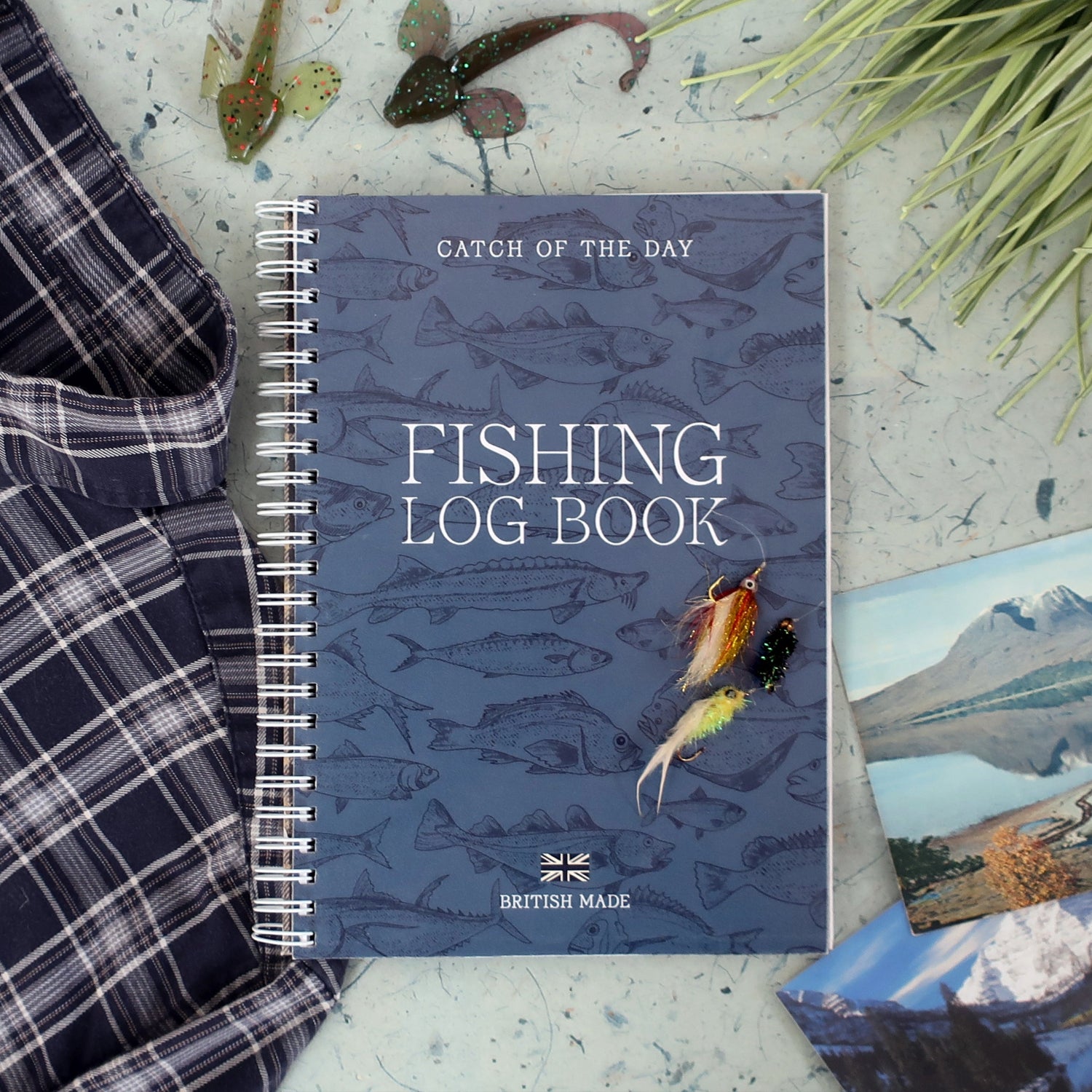
They love fishing, and you love them! Finding the perfect gift for a fishing enthusiast can feel tricky. Whether you are shopping for Christmas, a birthday or just because, the best fishing gifts are those that reel in both practicality and thoughtfulness.From beginners to seasoned anglers, they will truly appreciate you supporting their passion and wanting to help enhance their time on the water. In this guide, we will explore a range of fishing gift ideas to help you choose something they will genuinely enjoy. So whether you are looking for Christmas gift ideas or birthday gift ideas, we hope to help you 'land' the right gift. The Best Fishing Gifts: A Guide Novelty gifts have a time and a place, but to show them how much you care, we think the most appreciated fishing gifts are the ones that are useful, personal or enhance their overall fishing experience. Below we have scooped up some of the very best gifts for fishing lovers, perfect for Christmas, birthdays and everything else in between. A Fishing Log Book We think the most thoughtful (and practical) gift for anglers of all experience levels has to be a fishing log book. Our fishing log book has been thoughtfully designed to help them track every catch, location and the conditions with ease. Unlike other equipment that may already be owned or duplicated, a fishing log book is welcomed with open arms, as it is another excuse to get back to the bankside to fill up another book! It is perfect for anglers who love reminiscing and reflecting on their past fishing trips. Our fishing log's inner cover is personalisable, so why not use this space to note that it is their volume number one, of many books in their lifetime of loving fishing. Not only is it a meaningful keepsake, but the information collected in it will help them fine-tune their strategy. What greater gift could you possibly give? Personalised Equipment Who said practical gifts can't have a bit of heart and soul to them? Why not treat them to a new monogrammed tackle bag, then there will be no more debates over whose packed lunch is whose!Or perhaps you could spoil them by engraving their name into a fish knife, or perhaps add a touching message to a fishing lure, to truly show you care. Even personalising a tackle box will remind them of how much you care while they are sat bankside.Personalising fishing birthday gift ideas helps transform their everyday equipment into memorable presents. Making them great options for anglers who have already 'landed' the basics. A Voucher For A Fishing Trip For those who value quality time over something physical to unwrap, why not make an IOU day ticket for one of their local favourite spots? Or perhaps they have always dreamed of fishing for salmon in the River Tay, so book them a rural stay?Maybe you are thinking of Christmas gift ideas for your grandchildren? Turn those promises of fishing with you into reality and pencil in a date to look forward to after the festive season and create long-lasting core memories. High Quality Fishing Apparel Comfort is key, especially on those unpredictable bankside days. They will be so thankful for high-quality clothing, especially in pieces like waterproof jackets, thermal layers or waders.Quality fishing apparel is a reliable choice when searching for gifts for fishing lovers, especially when dealing with our 'summertime' weather. Plus, if you are unsure about specific equipment preferences, a toasty hat or pair of gloves is a solid choice. Tackle And Bait Kits If you are looking for great gifts for both beginners and well-seasoned anglers, then how about tackle and bait kits? Especially if you do not have expert knowledge on what is needed, these kits are premade and can introduce new tools or replenish essentials.These kits are so versatile and available in many different price points, making them suitable for both birthday gifts and Christmas gifts, especially when paired up with an essential fishing log book too! How To Choose The Right Gift Choosing the right fishing gift doesn't have to be complicated. Start by considering your loved one's level of experience, how often they fish and the type of fishing they truly enjoy. Next, factor in the budget; gear can be expensive; however, meaningful gifts don't have to be.If you are unsure of what equipment they already have or their clothing size, a fishing log is a safe and thoughtful option. Plus, at its accessible price point, you could use it as a 'just because' fishing gift. Final Thoughts So whether you are shopping for a birthday, Father's Day or Christmas, the best fishing gift ideas combine thoughtfulness with quality and usefulness. From meaningful keepsakes to practical gear, there are plenty of options (and price points) to suit every type of angler on your list.Our fishing log book is the standout gift, as it can be used all year-round, even when they are miles from their beloved river. They can use it to reflect on their personal best catches and on the ones that got away. Plus, all the valuable intel they will gather over the season will help them track their progress.We hope you find the perfect, rewarding gift to help grow their passion.Tight Lines from the wayzgoose Team
Learn more
How To Use A Fishing Log To Catch More Fish
There is nothing more disheartening than spending hours sitting on the riverbank, soaked through by the glorious British weather, and not getting so much as a nibble. Whether you're coarse fishing on a canal or casting off the coast, keeping a detailed fishing log can turn those long, disappointing days around and dramatically increase your catch rate. Why Use A Fishing Log? Once you have got into the routine of packing your fishing journal safely into your tackle bag and noting your fishing trips, you'll soon start to spot patterns in your catches. Over time, you will slowly build up a bigger picture of your favourite fishing haunts. When you have learnt the art of patterning fish through your records, you'll learn when and where the fish are most active With the result being, you'll start catching more fish, more often! What Is A Fishing Log? A fishing log is a place to document anything of note from your fishing trips. Allowing you to identify patterns and trends that have influenced either the success or failure of your days on the water. Our A5-sized Wayzgoose Fishing Log Book includes sections to record everything from the location, bait and lures, and fishing partner(s) to the moon phase. With all these elements recorded, you will never forget a great catch again. How A Fishing Log Helps You Catch More Fish Like everything in life, the more data you acquire, the higher the success rate. As we all know, fishermen only remember the good times, so using our fishing log book, the good times will keep rolling in! With our fishing log, we have made journaling easy for you, with our prompts to remind you to note the water visibility and level, and with our double-spreads' simple layout, recording the fishing trips will be a breeze. You can include as much or as little detail as you desire; however, the more you fill out, the easier it will be to highlight which elements are hindering your catch rate. Even those frustrating 'skunked' days become useful. Looking back, you may find a change in the water level, temperature or time of day made all the difference at those previously successful hot spots. A fishing log helps you recognise when certain fish are at their most active in specific areas. Once you have analysed past trip reports, you can see the patterns and how the time of the day, water conditions have influenced fish behaviour. Your new fishing log book will soon become your most valuable resource for working through hard patches and staying focused, and in turn, improving your fishing results. One thing we do love reviewing is our baits and lures selections, as compared to the other variables like the weather and water temperature, we can control this one! The correlation of which lures were used in the murky water and what type of worm caught your personal best Carp is always exciting to analyse. What To Record In A Fishing Log In our fishing log book, you can note anything and everything you want, from the exact minute you reeled in that Barbel in the 'Catch Log', to that Heron that was stealthily stalking the shallows in the 'Other Observations' section.Here are some of the key variables we record in our fishing logs: Date & Time Location (include coordinates) Body Of Water (river, canal, lake, sea, ocean) Gear & Equipment Bait & Lures Water Visibility Weather Conditions Moon Phase Species Caught Catch Of The Day With every piece of data you record, similarities will shine through in multiple journal entries. Helping you refine your strategies to improve your overall fishing experience. Track Your Progress And Celebrate Success Over the seasons, you will create the ultimate fishing log book, with the complete picture of your fishing journey. It is also a great place of reflection, you can tot up how many hours you spent fishing in total over the spring, or did your average size of Bass go up or down this year?Our Wayzgoose Fishing Log Book includes special sections for: Top 20 Trips Personal Best Catches These pages are perfect for the nostalgic angler to collate their favourite memories, as your top trip may have been more about the company than the record-breaking lands! Final Thoughts We hope your fishing log book will provide valuable insights into your habits and achievements. This tool will help you remember the spots teeming with fish, the best tackle to use, and enable smarter decisions on the water, ultimately boosting your chances of landing more fish. So stop guessing, start logging. Grab your Wayzgoose Fishing Log Book today. Love sharing your fishing memories? Why not follow us on social media? Just search Wayzgoose Shop
Learn more