

We wish becoming a master angler were instant, but sadly, it takes time. Even the most experienced anglers are constantly refining their approach. Tinkering with small improvements, from altering your casting technique, working on your awareness, or starting to keep records, all of these small elements add up.
The fastest way to improve? Learn from your experience. (Not that we need any persuasion to spend more time bankside!)
In this guide, we will cover practical fishing tips to help you on your future trips.

The Top 8 Tips For Improving Your Fishing
Tracking your progress is the main element that separates the casual anglers from the successful ones. Like anything in life, when you take the time to reflect, you can see how far you have come and look to improving in the future. The best anglers are always working on ways to improve, from their technique to their mindset.
The main elements we think will improve your landing rate are:
· Researching and understanding your fishing environment
· Mastering your casting techniques
· Adapting to weather and water conditions
· Stealth positioning
· Keeping your hooks sharp
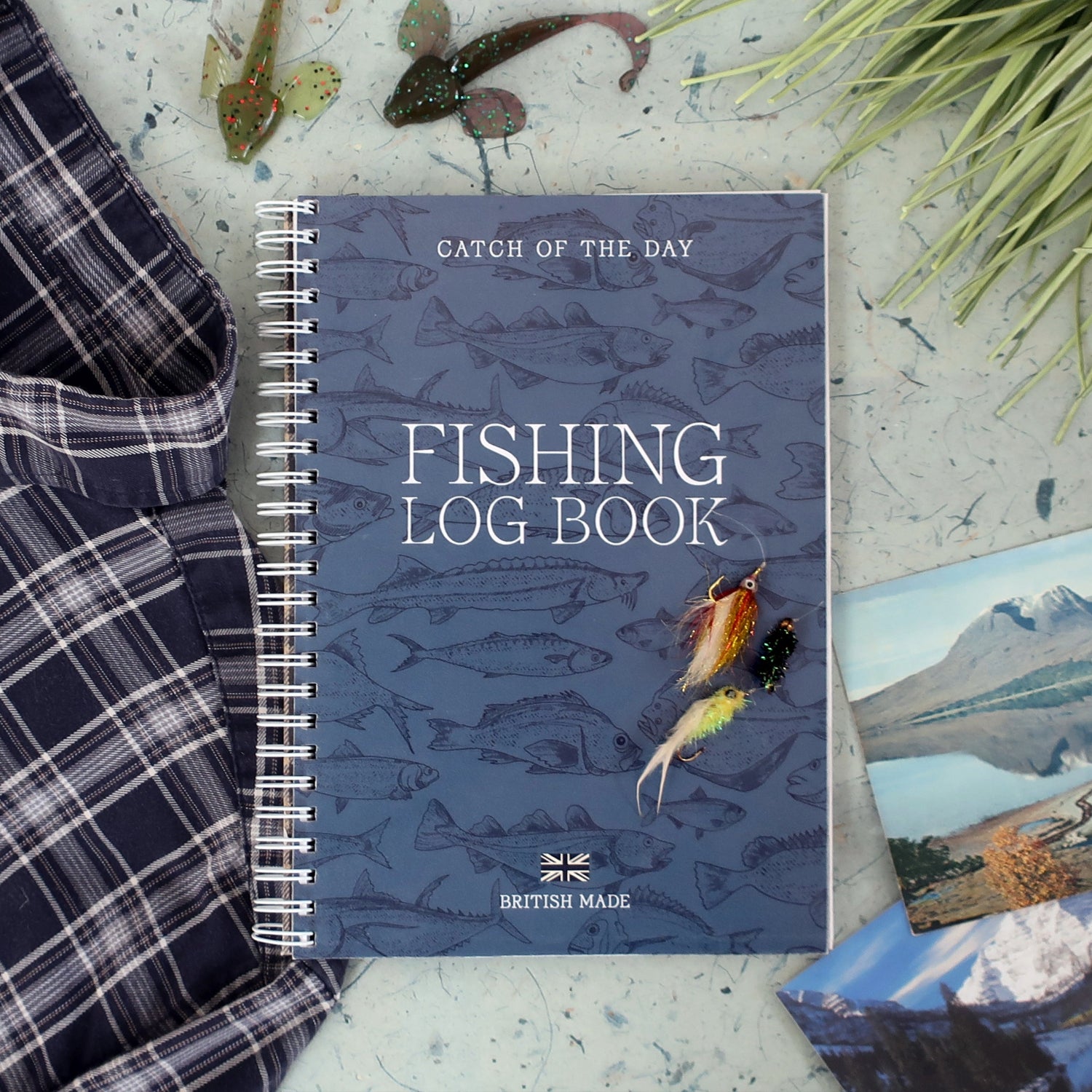
· Using a fishing log book
· Learning from your peers
· Practising patience and consistency.
So whether you are fly fishing, lure fishing, coarse fishing, or sea fishing, check out the fishing tips below.


Research & Understand Your Environment
One of the simplest fishing tips that makes a difference is to research your planned trip location (not just its distance to the local pub!) Research the species in the body of water and read up on local fishing reports. As we all know, different fish species behave differently. So if you usually go for Carp at your local lake, but your next trip is to the river, and you have Barbel and Chub on your list, read up on their traits. Remember that fish location changes with the season and the time of day. Also, aim to be at your swim early, with fish being the most active at sunrise and before sunset. It is common to see them rolling or jumping as the sun rises.
Allow yourself to be submerged in your environment. Step back and watch for any ripples or surface disturbances. Note birds diving at bait fish. Look for stark shade lines on those rare sunny days. All of these little moments will help improve your fishing.
Taking time to understand fish behaviour removes the guesswork and will dramatically improve your fishing rate. Go one step further and record the water temperature, note the location and depth, and even the structure type. Logging little details will help you paint a picture of the successes in each environment.

Master Casting Techniques
Casting further generally means you will catch more fish. However, accuracy matters more than distance. A well-executed cast can be the difference between a successful fishing trip and a frustrating one.
Smooth and controlled casting not only boosts your chances, but it also prevents line tangles, too. Practise makes perfect and improves muscle memory. So every cast is a stepping stone to your future success.
Start with overhead casting. Remember to keep your wrist firm, as the power comes from your forearm. Bonus Tip - Practise your casting (in a field) and knots at home to maximise your actual fishing time.
Better casting reaches fish without spooking them. This will allow you to place the baits in optimal feeding zones. In turn, reduces the frustration and saves you from wasting your precious time. 

Adapt To Weather & Water Conditions
Like us, fish behaviour changes with temperature, light levels, wind and water clarity. I don't blame fish for hiding out from the hot midday rays under shaded banks. Understanding these patterns gives you a significant advantage.
Overcast days are often more productive than bright sunny conditions. On cloudy days, fish feel more secure and feed more confidently and venture out into open water. Whereas on bright sunny days, fish will dive deeper into cooler water or head towards the shade. Post rain and during cold fronts, fish will also drop down deeper on the hunt for a stable temperature.
Wind direction is also a factor to take into consideration. Wind pushes plankton and baitfish, and fish will follow to that side of the bank. So adjust your position when the wind direction alters.
Make sure you alternate your lures to the changing water conditions also. With cold and clear water, use smaller, slower-moving lures or flies, as fish are less active and their metabolism is slower. On warm and turbid water days, increase speed by using brighter lures or high-vibration lures.
These tips about fishing apply whether you are a lake, river or sea angler. Adaptability is the biggest difference between being a beginner and a skilled angler.


Stay Quiet While Fishing
Practise stealth and minimise disturbance. Noise can push fish away, as they detect noise, vibrations and shadows. Walk softly on banks and boats, avoid dropping tackle and making unnecessary noise. Also, try to keep your profile low near the water and do not cast shadows over fishing areas. When wading more deliberately and slowly, to avoid stirring up sediment that can alert fish to your presence.
Stealth increases your chances of catching, especially in shallow or clear waters.


Keep Your Hooks Sharp
A common mistake beginners make is not ensuring their hooks are sharp. A sharp hook ensures better penetration. Whereas blunt hooks loose fish.
Simply mastering small details like keeping your hooks 'sticky' sharp will help improve your fishing success. Before every session, take the time to check your hooks' points. If it does not scratch your fingernail lightly, this is your sign to sharpen it. Use a small hook file to keep it in good condition. Also, use point protectors in your tackle box and replace rusty hooks, too.
All these fishing tips will prevent lost fish after all the hard work you have done locating them.


Use A Fishing Log Book For Continuous Improvement
Don't be like other anglers and leave your chances of 'filling up the boat' to pure luck. Log your trips. Most anglers rely on memory, which is a risky business, especially when it comes to increasing their success rate.
Catches leave clues. Patterns only become clear when they have been logged. One of the most overlooked ways to improve your fishing is by keeping records.
Use your fishing log to record
· Location
· Water Temperature / Level / Visibility
· Weather Temperature
· Wind Speed
· Weather Conditions
· Humidity
· Barometer
· Moon Phase
· Gear & Location
· Baits & Lures
· Any Other Observations
Any insights you log will become your personal knowledge gain! You will soon be able to note from a glance what lures work in certain temperatures. The times of year certain species thrive. Plus, what weather patterns and combinations you need to drop all plans and fish as they have been producing the best results.
A structured Fishing Log Book makes recording easier. Especially with the prompts to help anglers track any key data. All the data you log will build your own personal, dedicated Fishing Log Book.
To truly improve your fishing, tracking and reviewing past trips is one of the most powerful tools available.


Learn From Others
Experience accelerates learning. Sadly, most of us are not lucky enough to have the freedom to fish every day. Small adjustments can change everything. Get the upper hand by leaning on your peers for advice.
Here are a few suggestions to help broaden your fishing knowledge:
· Join your local fishing club
·Follow experienced anglers online
· Watch technique breakdown videos
· Ask questions in tackle shops
· Fish with someone with more experience
You can avoid common beginner mistakes and then learn proven techniques faster.

Practice Patience & Consistency
Modern life is relentless, with everyone running at a non-stop pace. Fishing allows you to take a step back and enjoy the serenity and quiet periods. Skill develops through repetition, and we have often found ourselves in a zen-like state, especially when fly fishing.
Treat each session as an opportunity to learn and develop your skill set. Focus on the whole process, and being out in nature. Reframe success and redefine a 'good day' as just being able to do a hobby you love, rather than how many fish you have landed.
Allow yourself to reminisce (and spot patterns) by reviewing your log book between fishing trips. Celebrate your small improvements. As consistency builds intuition and sequentially better anglers.


Final Thoughts
Every cast teaches something. The only difference between those who stay average and those who consistently land more fish is what they choose to remember and apply next time.
A Fishing Log Book turns your scattered memories into structured knowledge. Your own personal guidebook to the best catches you have ever landed. It is not just a storybook; it is your key to repeating success by spotting patterns, tailored to your waters, your species, and your style of fishing.
One entry might not seem significant. Fifty entries will change the way you approach every trip.
If you are serious about improving your fishing, stop relying on your memory and start building your own data.
'Tight Lines' from the team at Wayzgoose!
Ready to start logging? Explore our Fishing Log Book and turn every trip into valuable data.