

Want to learn the ropes (or lines) of fishing, but don't know where to start? It is totally normal for beginners to feel overwhelmed by the amount of gear, baits and techniques. Today, we are going to strip it back and focus on the absolute basics of how to start fishing in the UK.

How To Start Fishing: The Absolute Basics
Fishing - the most popular 'sport' in Britain, the appeal of shutting off the outside world and focusing on the here and now is a big pull to reel us all in. This timeless hobby can be relaxing and frustrating all rolled into one. We want to help you filter out the noise and focus on your goal, landing as many fish as possible.
To get started, you need to focus on the three main steps:
· Get legal
· Have the right kit
· Find a 'sure-fire' spot
The aim is to start simple and fish often, to develop your skillset.


Essential Gear For Beginners
Getting Legal
First things first: here in the UK, gone are the days when you could simply turn up and fish. If you are caught without a rod licence, your tranquil day could result in a hefty fine of up to £2,500. Don't worry, though, buying one from the government online is super simple.
If you are lucky enough to be under 13, you do not need to carry a licence. Those aged 13–16 will need a free junior yearly licence. If you are unsure whether fishing is for you, you can opt for a daily licence instead of a yearly one. If you are 66 or over, you can apply
for a discounted yearly licence.
You will also need permission to fish the body of water. If you are fishing commercially (we highly recommend this for your first attempt), you will need to purchase a day ticket or a club permit for the specific water you are on.
Having The Right Kit
A wealth of information is right at your fingertips once you open the door to your local tackle shop. They can guide you on how to start fishing with the basic gear setup. If you are lucky, they may have a 'coarse' fishing or 'float' fishing starter kit on offer.
To get started, you'll need a 10ft rod and (to save you some effort) a reel already loaded with 6lb line. This line is strong enough to land Roach, Rudd, Perch, and young Bream, and it might even handle Carp, Tench, or Chub.
To streamline your set-up, grab a 'ready rig'. With the hooks already tied to a line and a float attached, all you need to do is simply loop it onto your main line, and you will soon be reeling them in.
For responsible fishing, you will need a landing net and a disgorger to ensure the fish are returned to the water safely. The landing net is essential for lifting the fish out of the water without putting any undue stress on the line or the fish's body. The disgorger, a plastic or metal tool, helps safely remove hooks from deep inside a fish's mouth.
Finally, you will need some bait. Live worms and maggots are a simple starting point, or sweetcorn and bread are highly effective for UK freshwater fish.

Top Tips For Starting Fishing
Now that you have secured your gear and have become acquainted with your local tackle shop staff, it is time to plan your first trip. So it is time to load up your tackle bag and head to your chosen body of water.
Start Small And Simple
Don't set your sights on reeling in a fish, that will have you shouting, "We are going to need a bigger boat!" Target fish like Perch or Roach, save the monsters for later. These two live in almost every pond/canal in the UK. They are aggressive and aren't picky about bait.
Set up just one rig. While your confidence is growing, stick to a simple float (waggler) setup. A float is great to help fine-tune your technique, as it teaches you how fish behave underwater. Plus, it is visual and exciting too!
Don't overwhelm yourself; stick to the rule of one: one rod, one bag of bait, one hook. With too much gear, you will spend more time untangling than fishing.

Learn From Mistakes
Treat each mistake as a lesson learned, like a missed strike. If your float goes under and you miss the fish, you have either struck too early or too late. Next time, wait for the float to stay under, then count '1-2' before lifting the rod.
Always pull on your knot before casting. If it snaps in your hand, it is a lesson; if it snaps with a fish on it - well, that's heartbreaking.
Snags. If you get your line stuck on a branch or in weeds, do not pull hard! Flick the line or change your angle instead. Brute force will not only snap your line, but it will also leave litter behind.
Track Conditions
Like everything in life, the more data you acquire, the higher your success rate. Using a fishing log book to track elements of your trip will help you summarise the winning components.
Watch which way the wind blows. You will find that fish often follow the wind, because it pushes surface food and warmer water towards one bank. If the wind is blowing directly at you, the fish are most likely to be right at your feet.
Another key weather factor to take into account is light. Fish feel extremely exposed in bright sunshine and prefer overcast days. Keep in mind that during the golden hours (dawn and dusk), fish feel safe enough to feed aggressively.
Remember to log the water's temperature. Cold water slows down fish. In winter, try using tiny baits and fish deeper to get a nibble. In summer, fish are more active and swim closer to the surface in warmer water.
Understand Fish And Environments
Fish don't just sit in the middle of a lake waiting for you to cast your line. 'Cast' your eyes to find features. Fish love to hide near overhanging trees, lily pads or in reedbeds. These places give the fish everything they need: safety, food and comfort.
Be stealthy. Don't stomp on the bank (or boat) or cast giant shadows over the water. Fish can sense vibrations, so don't try to spook them just before your bait hits the water.
Trick the fish with a 'freebie throw'. Throw a few maggots or some corn every five minutes over your chosen patch. This will create a feeding zone and keep the fish right in front of you.


Common Beginner Mistakes (And How To Avoid Them)
It is easy to get frustrated when the fish aren't nibbling. Don't let a slow day dishearten you. These three mistakes are what separate the 'lucky' anglers from the skilled ones.
Not Learning From Failed Trips
A day without a catch is called blanking. While most beginners will pack up and think of an excuse to stay home next time, don't be defeated by this. Treat every blank as a data point. Ask yourself: Was the water too cold? Was the bait too big? Did the wind change direction? Was I fishing near features?
Step it up a level. Instead of relying on your memory for these changes, log them in your fishing journal. Record everything, from the moon phase to the water's visibility. After 5-10 trips, you will soon see patterns in your chosen body of water and how the weather can affect your catch rate.

Giving Up Too Early
Many beginner anglers fish for 20 minutes, don't get a bite, and assume there are no fish in there. Why else would there be no bites on your tinned sweetcorn?
Next time this happens, fish the water column. If you aren't getting any nibbles on the bottom, shallow up your float. No bites in the sun? Shimmy across to the shade.
Most anglers would recommend giving a spot at least 45 minutes. If you have varied your bait selection and depths and still have no activity on the end of your rod, it's time to move 20 yards down the bank. Being active in your search will beat static waiting every time.
Changing Gear Too Often
Beginners think a more expensive rod, a new lure or some magic bait is the solution to filling up the boat. But all it will do is prevent you from truly mastering the basics.
Stick with one method first (like float fishing) and focus on becoming a master. Learn to control the drift, understand how to read the bites and how to 'shot' the float correctly.
If you aren't catching, it is rarely the rod's fault; it is usually the presentation. Instead of changing gear, opt for minor adjustments to your tackle. Try a smaller hook or a thinner line. These small changes will make your bait look more natural, which is far more effective than buying a fancy new reel.

Why Keeping A Fishing Log Book Makes You A Better Angler
If you want to transform your fishing trips from a game of luck into a game of strategy, keeping a log book is the answer to all your prayers. If you want to 'level up', this is the single fastest way, as the data you will acquire will be personalisable to you and your catches. Here is how your fishing log book can turn you into a pro angler.
It reveals hidden patterns.
Fish are creatures of habit. They predictably react to specific triggers. Your log book will help you spot elements at a glance like:
· The magic temperature. You will notice once spring hits and the slow-flowing river turns to a warmer 12°C, the Roach will start feeding more aggressively in preparation for spawning.
· Wind direction. You will soon find that when you are at your favourite lake, you will only start to land when the wind is blowing south-westerly.
· Time of day. You will soon stop wasting your time by the bankside at midday, when your logs show that 80% of your catches happen during the golden hours between 6-8 am.

It eliminates 'blank' anxiety.
Keep rational thoughts at the forefront of your mind when you are having a bad day (a blank). Refer back to your fishing logbook to compare what the weather was like on a similar date the year before. For example, if it is currently 5°C cooler than last year, this cold snap will affect your catches.
It will help build your confidence when it reminds you of how many you caught in the past. Even when this current season is tough.
It refines your tactics.
Take the guesswork out of fishing by recording your gear and bait in detail. By using your catch log, you can record which species loved the sweetcorn. Or you may notice in your trip notes that you lost three fish on a size 12 hook, but landed everyone on a size 16. Every bit of data creates a success map for your future trips.
What to record.
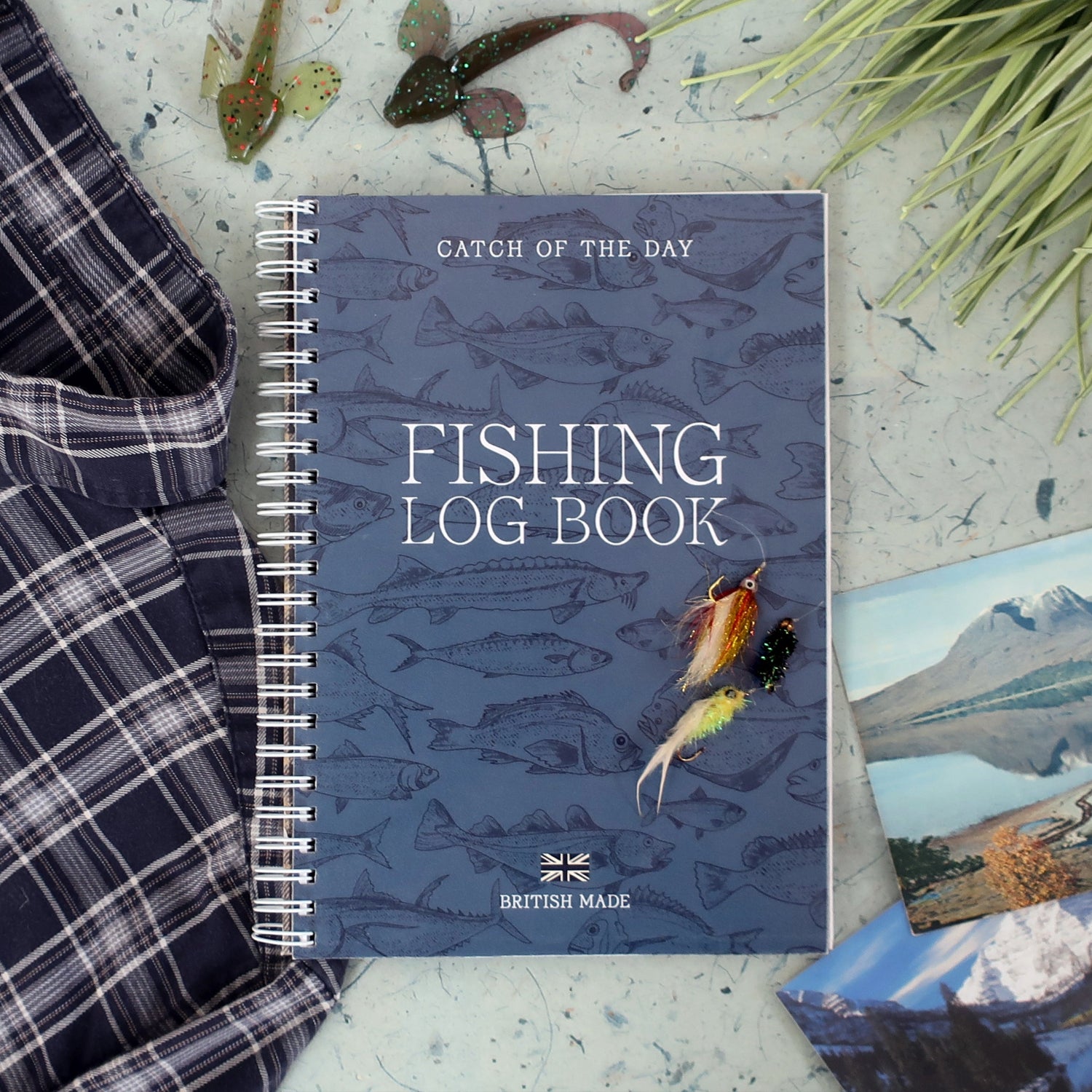
Our fishing log book helps guide you to keep your recordings simple. With prompts to log the basics like your location and the date, or to dive deeper by noting details such as the moon phase, it makes tracking your trips easy. You don't need to write a novel to see the patterns emerge over time.
We love using the trip notes section to record the main lesson or observation of the day, like 'fish were hugging the reeds today'. We also love the nostalgia of reading through our Top 20 Trips section. 

Final Thoughts
Starting fishing does not have to be complicated. Focus on the basics: get a licence, keep your gear simple, and choose an easy spot (like a well-stocked fishery). From there, the real progress will come from time spent on the bank. Every trip will teach you something new about fish behaviour, weather conditions, and your own technique.
Remember, even the most experienced anglers still have blank days. The difference is that they learn from them. By paying attention to what works (and what doesn't), you will slowly build your knowledge and confidence. Soon, you will go from occasional catches to consistent ones.
Remember, keeping a fishing log can make a huge difference. Recording the small details from each trip helps reveal the patterns that other anglers miss.
So grab your rod, pick a spot, and start casting. And if you want an easy way to track your progress along the way, a fishing log book can become one of the most valuable tools in your tackle bag.
Tight Lines from the wayzgoose Team